You’re texting a friend. They ask if you’re still coming tonight. You reply: “yeah, tbs.” They pause. What does that even mean?
TBS is one of those short texting terms that pops up more than people expect, yet almost nobody explains it clearly. It shows up in chats, on social media, in gaming lobbies, and sometimes in work messages too. Because it’s short, it can carry more than one meaning, and that’s exactly why it confuses people.
Knowing what TBS means matters. It helps you read a message the right way. It stops you from replying with the wrong tone. And it saves you from that awkward moment of typing “wait, what does that mean lol” back to someone.
This guide breaks down everything about TBS: what it stands for, where it came from, how people use it today, and how you should respond when you see it. By the end, you’ll never have to guess again.
Definition & Meaning
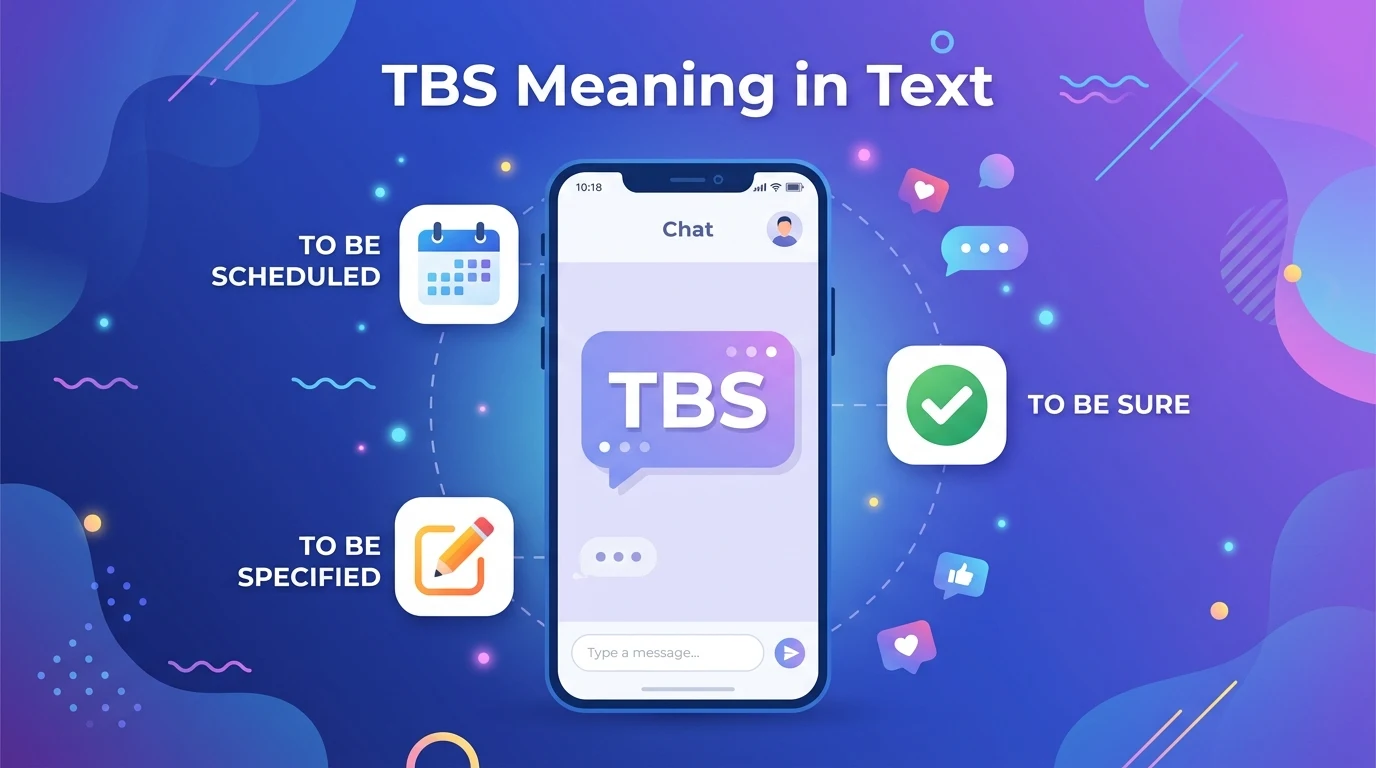
TBS is a flexible abbreviation. It doesn’t have one fixed meaning. Instead, its meaning shifts depending on where you see it and what the conversation is about. Here are its most common meanings in texting:
- To Be Specified – used when details like a time, date, or place haven’t been decided yet.
- To Be Sure – used to confirm something or add emphasis, similar to saying “definitely” or “just making sure.”
- To Be Scheduled – used for events or plans that are confirmed to happen but don’t have a fixed time yet.
- To Be Specific – used to introduce a more precise or detailed point.
Outside of texting slang, TBS also has unrelated meanings. It’s the name of a well-known American TV network. It’s a shortened form of tablespoon, common in recipes. And it’s the name of a rock band. Context is everything here.
Real-life examples:
- Planning a party: “Location: my place. Time: TBS.” (To Be Specified the host hasn’t picked a time yet.)
- Confirming a fact: “TBS, that movie really did win the award.” (To Be Sure adding certainty.)
- A recipe: “Add 2 tbs of olive oil.” (Tablespoon nothing to do with slang at all.)
The rule of thumb: look at the sentence around TBS. A cooking context means tablespoon. A vague plan means “to be specified” or “to be scheduled.” A confident statement means “to be sure.” Once you spot the pattern, the meaning becomes obvious almost instantly.
Background & History
TBS didn’t start as internet slang. Long before texting existed, “to be specified” and “to be sure” were full English phrases used in regular writing, event planning, and business documents. Wedding invitations, meeting notices, and official schedules often listed details as “TBS” when a final decision hadn’t been made yet.
As texting and messaging apps grew, people naturally shortened everyday phrases to save time and keystrokes. TBS moved from formal planning documents into everyday chat the same way many abbreviations did through repeated, casual use among friends, group chats, and event organizers who needed a quick placeholder for missing details.
Unlike widely recognized terms such as LOL, BRB, or OMG, TBS never became a single, universally understood word. It stayed split between several meanings because each one was already common in its own space cooking, television, planning, and casual confirmation. That’s why, even today, TBS is best described as a context-dependent abbreviation rather than a single-purpose slang term.
Today, you’ll most often see it used in:
- Group chats organizing events, hangouts, or trips
- Social media captions or comments confirming details
- Gaming chats where plans or matches aren’t locked in yet
- Casual texting between friends who want to add emphasis or confirmation
Its evolution shows a broader pattern in digital language: phrases that once needed full sentences get compressed into three or four letters, and the exact meaning gets filled in by context rather than a dictionary definition. That’s part of what makes modern texting slang tricky, but also efficient once you learn the patterns.
Usage in Various Contexts
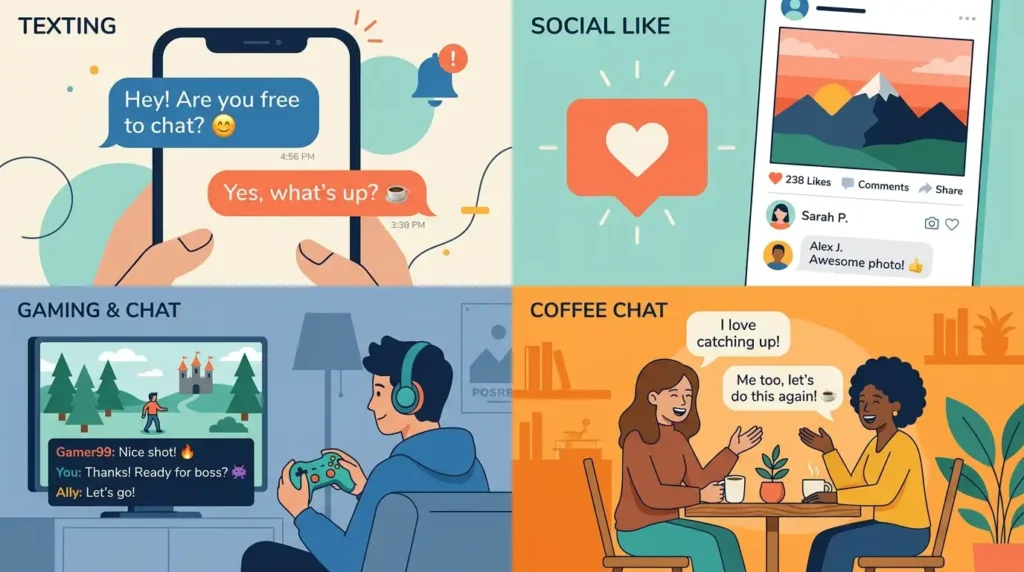
TBS shows up differently depending on where you’re chatting. Here’s how it plays out across common platforms.
In texting between friends, TBS is often a quick way to confirm something:
Mia: we still on for tonight? Jake: yeah, 7pm tbs
Here, TBS reassures Mia that the plan is locked in.
In event planning group chats, TBS usually means the details aren’t final yet:
Group message: Movie night this weekend! Time: TBS. Will confirm once everyone votes.
On social media, people use TBS in captions or comments to add certainty or emphasis to a statement:
Comment: TBS, this is the best coffee shop in town.
In gaming chats, TBS often marks something that’s planned but not yet locked in, like a match time or team lineup:
Player 1: ranked match tonight? Player 2: tbs, waiting on the other two to confirm
In casual conversation, it can simply add a confident tone to a reply:
Friend A: are you sure it starts at 9? Friend B: tbs, checked the tickets twice
Across all these contexts, TBS tends to serve one of two jobs: marking something as unconfirmed or adding confidence to something you already believe. The tone of the surrounding message almost always tells you which one it is. If the sentence describes a plan without a fixed detail, it’s a placeholder. If the sentence already sounds confident or reassuring, it’s an emphasis word.
Common Misconceptions & Clarifications
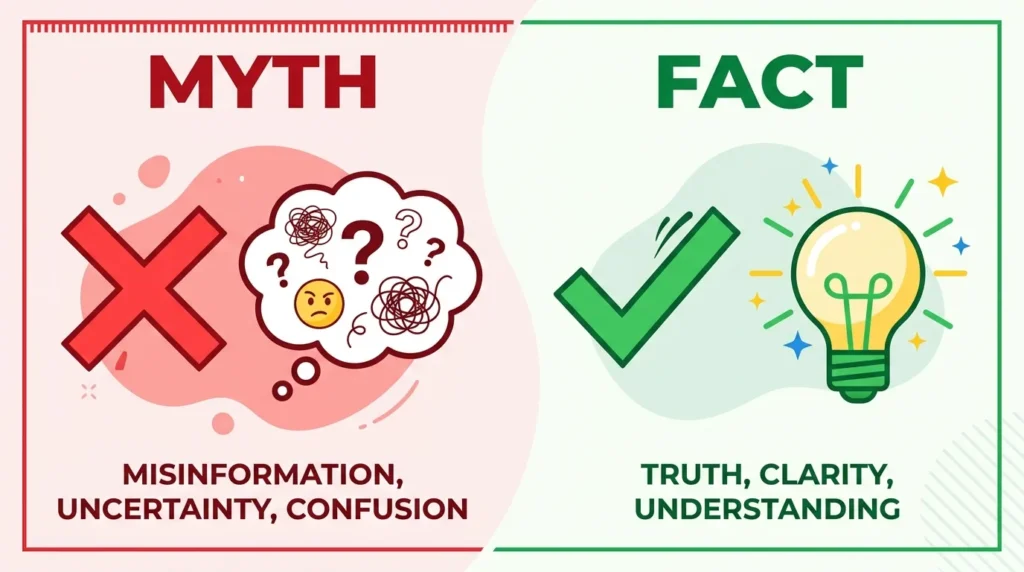
The biggest misconception about TBS is that it has one fixed meaning. It doesn’t. People sometimes assume it always means “to be sure” because that’s the version they learned first, then get confused when they see it used as “to be specified” in a planning context.
Another common mix-up is confusing texting slang TBS with the TBS television network or the tablespoon measurement. If someone says “watching TBS tonight,” they mean the TV channel, not slang. If a recipe says “1 tbs sugar,” it means tablespoon. These aren’t secret meanings they’re just separate, older uses of the same three letters that happen to overlap with newer slang.
Some people also wonder if TBS carries a hidden or inappropriate meaning. While a small number of internet slang lists mention alternative, more explicit interpretations circulating in certain online spaces, these are not the common, everyday usage and are unlikely to be what someone means in a typical text or group chat. If a message ever feels off given the context, it’s reasonable to ask the sender what they meant rather than assume.
Is TBS considered rude or inappropriate? Generally, no. It’s a neutral, informal abbreviation. However, like any short slang term, tone matters. Pairing TBS with a blunt or critical statement (e.g., “tbs, your work needs fixing”) can come across as dismissive, not because of the abbreviation itself, but because of the message it’s attached to.
Key clarification: TBS is not offensive by default, not universally recognized like LOL or OMG, and not appropriate for formal writing. Treat it as casual shorthand best reserved for friends, group chats, and informal online spaces.
Similar Terms & Alternatives
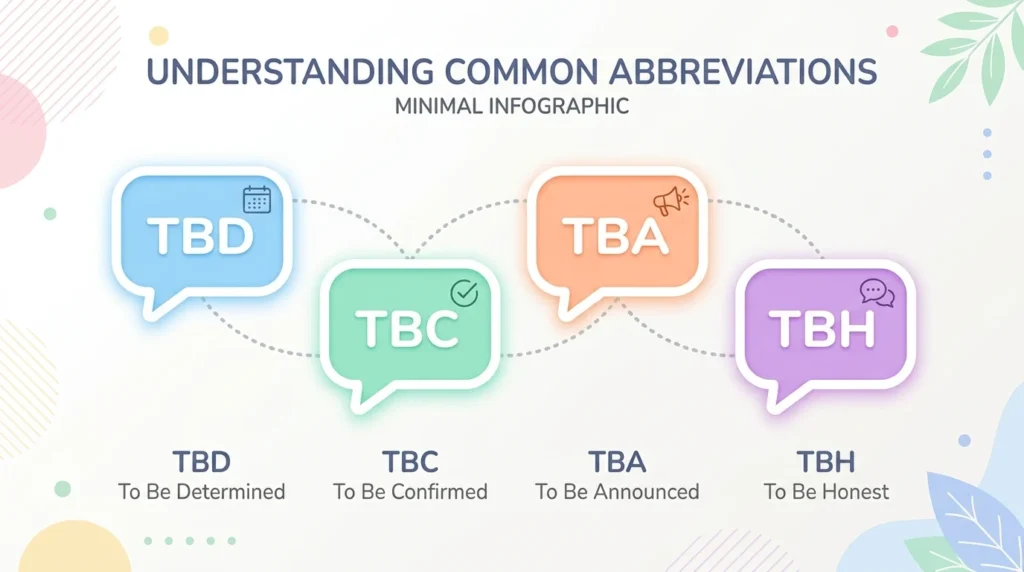
Several other abbreviations serve similar purposes to TBS, depending on which meaning you’re using. Here’s how they compare:
| Term | Meaning | Best Used For |
| TBS | To Be Specified / To Be Sure / To Be Scheduled | Confirming plans or adding emphasis |
| TBD | To Be Determined | Details still undecided |
| TBC | To Be Confirmed | Plans likely but awaiting final confirmation |
| TBA | To Be Announced | Public info not yet released |
| TBH | To Be Honest | Sharing an honest opinion |
| TBX | To Be Exact | Adding precise detail |
TBD, TBC, and TBA are far more widely recognized than TBS for describing unconfirmed plans, especially in professional or public settings. If you want to sound clear and avoid confusion, these are often safer choices than TBS.
TBH overlaps with the “to be sure” side of TBS, since both can introduce a confident or honest statement, but TBH leans toward opinion while TBS leans toward certainty or confirmation.
If you’re unsure whether your reader will understand TBS, swapping in TBD or TBC for planning contexts, or simply writing “for sure” instead of TBS, keeps your message clear without losing the casual tone.
How to Respond to This Term
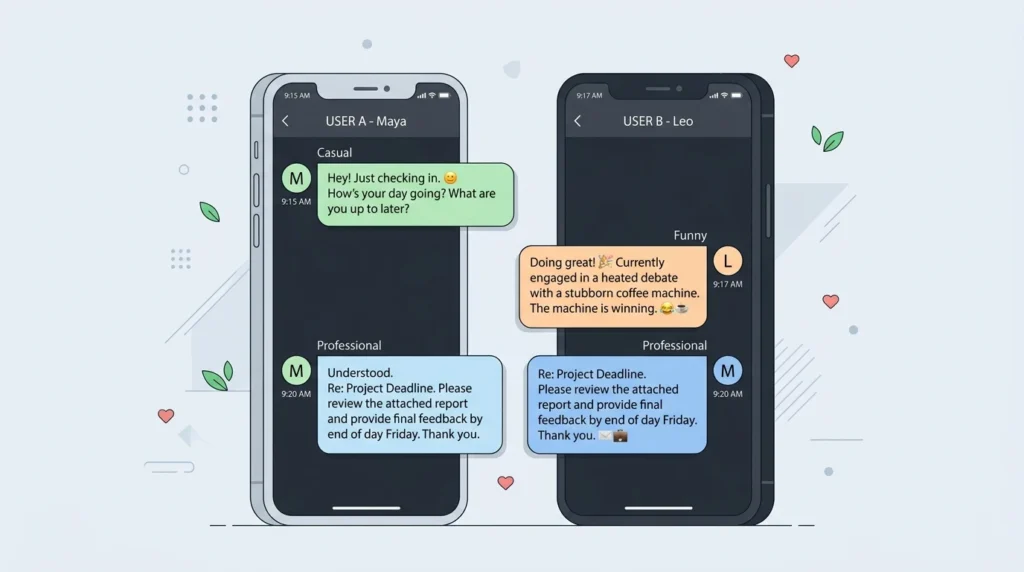
How you respond to TBS depends on the setting and your relationship with the sender.
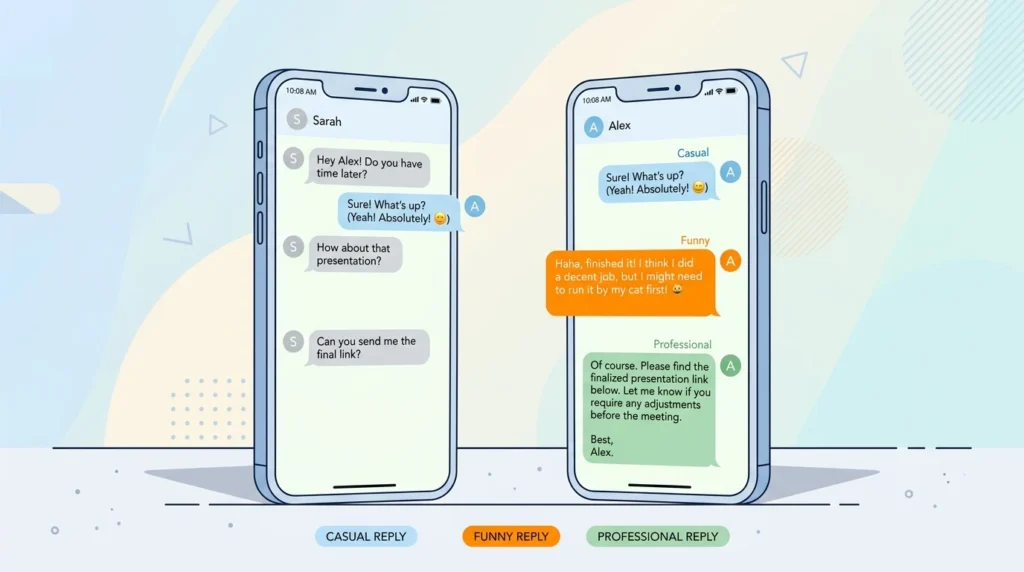
Casual response:
Them: dinner at 8, tbs You: sounds good, see you then
Funny response:
Them: tbs, I definitely didn’t forget your birthday You: lol suspicious, but okay
Professional response (when TBS appears in a work message about scheduling):
Them: Meeting time: TBS, will confirm by Friday You: Thanks for the update, looking forward to the confirmation.
Privacy-conscious response (when you’re unsure what someone means and don’t want to overshare or assume):
Them: tbs 😏 You: haha what do you mean by that?
The safest general approach: match the tone of the message, and when the meaning genuinely isn’t clear, just ask. A quick “what’s tbs mean here?” is far better than guessing wrong and responding awkwardly.
Regional or Cultural Differences
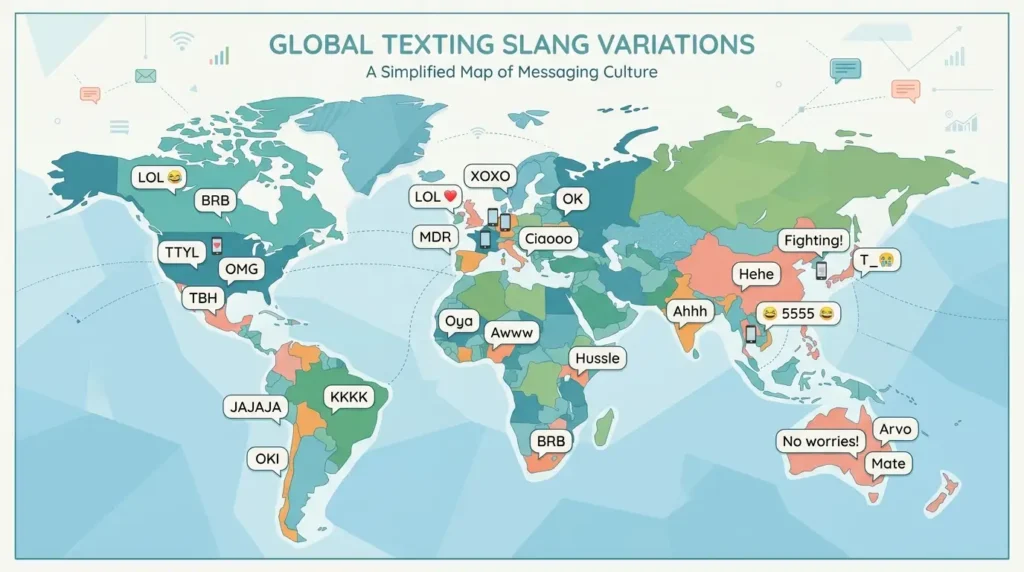
TBS is mostly an English-language texting abbreviation, and its recognition varies a lot depending on the region and the online community. In some English-speaking regions, particularly parts of South Asia, TBS shows up frequently in casual chat and social media slang lists, while in other English-speaking countries it’s far less common than alternatives like TBD or TBC.
Because TBS isn’t as globally standardized as terms like LOL or OMG, don’t assume everyone will recognize it. Someone unfamiliar with the term might read it as a typo or ask for clarification, especially outside of the specific online circles where it’s popular.
Outside of English, TBS doesn’t translate as slang it’s an English abbreviation, so non-English speakers typically wouldn’t use or recognize it unless they’re also chatting in English or exposed to English-language internet culture. Other languages tend to have their own local shorthand for “to be confirmed” or “for sure” rather than borrowing TBS directly.
If you’re texting internationally or with people who might not know English internet slang well, it’s worth spelling things out rather than relying on TBS.
Comparison with Similar Terms
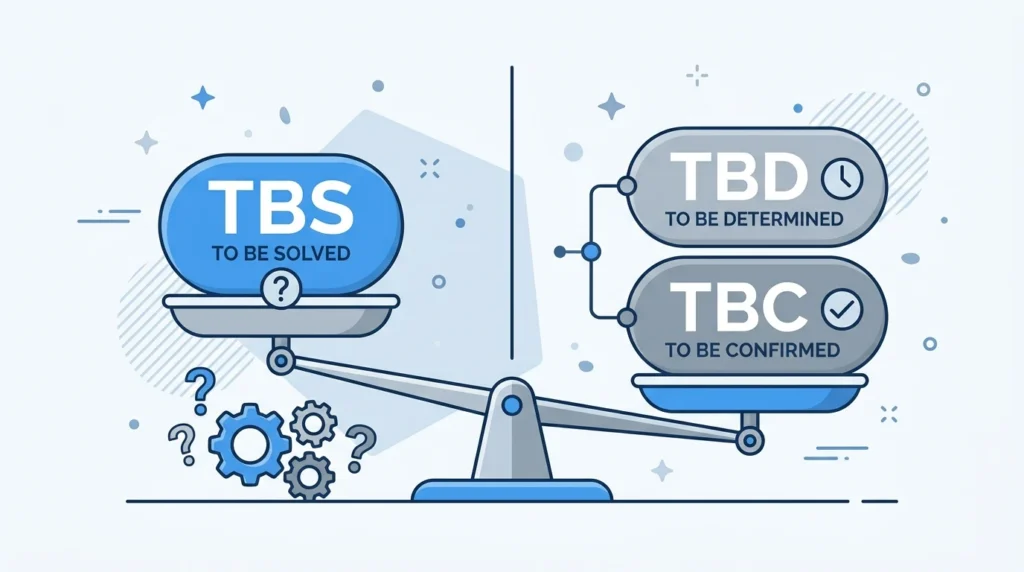
Here’s a closer look at how TBS stacks up against its closest cousins:
| Term | Full Meaning | Formality | Common Setting |
| TBS | To Be Specified / To Be Sure | Very informal | Texts, social media, gaming |
| TBD | To Be Determined | Informal to semi-formal | Planning, work schedules |
| TBC | To Be Confirmed | Semi-formal | Events, professional messages |
| TBA | To Be Announced | Neutral | Public announcements, releases |
| TBH | To Be Honest | Informal | Casual opinions |
Key difference: TBS carries two very different jobs placeholder (unconfirmed detail) and emphasis (confidence) while TBD, TBC, and TBA stick to one job: marking something as undecided or pending. TBH is closer to an opinion marker than a confirmation one. If you want a term that’s instantly understood by almost anyone, TBD and TBC are the more universally recognized choices, while TBS remains more niche and context-dependent.
Usage in Online Communities & Dating Apps
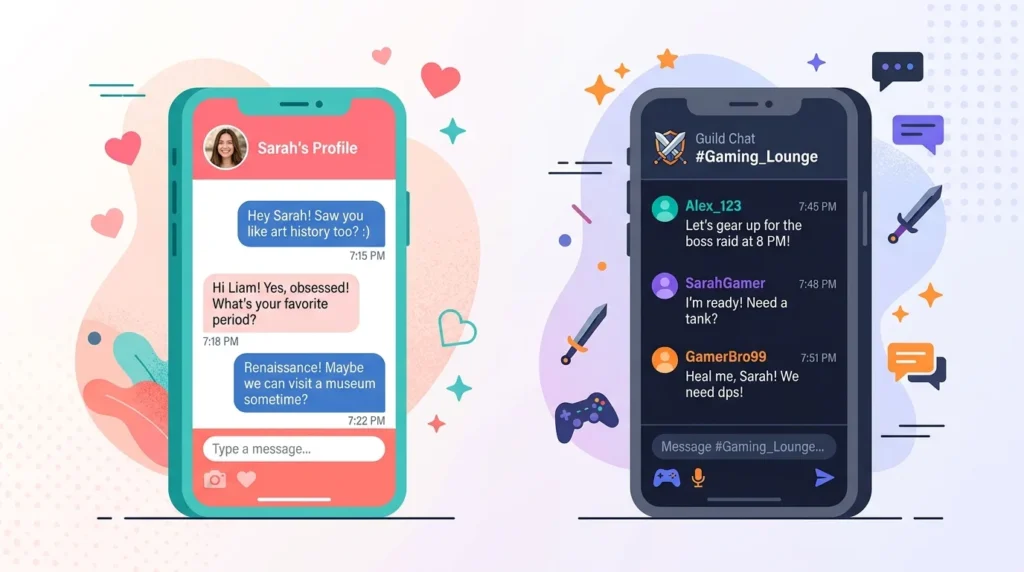
On platforms like Twitter/X, TBS often shows up in casual replies or captions to add emphasis, similar to saying “honestly” or “for real.”
Tweet: This show is so underrated tbs
On dating apps like Tinder, TBS can appear when someone is confirming plans or adding a confident, flirty tone to a message:
Match: you seem cool, tbs You: haha thanks, you too!
Responding well here usually means keeping things light and matching the casual energy rather than overanalyzing the abbreviation.
In gaming communities, especially in Discord servers or in-game chat, TBS commonly marks matches, tournaments, or team lineups that are planned but not finalized:
Teammate: scrim tonight, tbs on the exact time
Tips for responding appropriately across these platforms:
- If TBS is being used to confirm plans, respond with a simple acknowledgment.
- If it’s used for emphasis, respond conversationally rather than treating it like new information.
- If the meaning genuinely isn’t clear, especially on a dating app where tone matters more, it’s fine to ask lightly rather than guess.
Because these platforms move fast and casually, getting the tone right matters more than decoding the exact letters.
Hidden or Offensive Meanings
For the most part, TBS does not carry an offensive meaning in everyday texting. Its common uses to be specified, to be sure, to be scheduled are all neutral and harmless.
That said, a small number of slang references note that TBS has occasionally been used as shorthand for a more explicit, sexual phrase in certain internet spaces. This isn’t a mainstream or common usage, and most people typing “tbs” in a regular text or comment mean one of the neutral definitions covered earlier.
Why context and tone matter so much: With any short abbreviation that has multiple meanings, the surrounding message tells you almost everything. A TBS used in a planning context, a confident statement, or a lighthearted comment is virtually always harmless. If a message feels unusually suggestive or out of place given who’s texting you, that’s a signal to look at the full conversation, not the abbreviation alone and if you’re ever unsure, simply asking the person to clarify is always a reasonable option.
Suitability for Professional Communication
TBS is not recommended for formal or professional writing. It’s casual slang, and even its more “harmless” meanings (to be specified, to be sure) aren’t standardized enough for business communication, where clarity matters more than brevity.
Using TBS in a work email or formal document risks confusing colleagues, especially those unfamiliar with texting slang, or making the message seem less polished.
Professional alternatives:
- Instead of “Time: TBS” → “Time: To be determined” or “Time: To be confirmed”
- Instead of “TBS, I agree” → “I can confirm this is accurate”
- Instead of “tbs, the report needs work” → “To be specific, the report needs additional data.”
When in doubt, spelling out the full phrase in professional settings avoids any ambiguity and keeps the tone appropriately formal.
FAQs
1. What does TBS mean in text? It most commonly means “To Be Specified,” “To Be Sure,” or “To Be Scheduled,” depending on context.
2. Is TBS the same as TBD? Not exactly. TBD strictly means “to be determined,” while TBS can mean that or serve as an emphasis word like “for sure.”
3. Can TBS mean something offensive? Rarely. In everyday texting, it’s neutral. A few niche slang lists mention an explicit alternative meaning, but it’s uncommon.
4. Is TBS appropriate for work emails? No. It’s too casual and not widely recognized; use “to be determined” or “to be confirmed” instead.
5. Why does TBS have so many meanings? Because it developed from several unrelated full phrases (plus tablespoon and the TV network) that all happened to shorten to the same three letters.
6. How do I know which meaning is intended? Look at the surrounding sentence. Planning language suggests “to be specified/scheduled.” A confident statement suggests “to be sure.”
7. Is TBS widely understood internationally? Not as much as terms like LOL or OMG. It’s more common in certain English-speaking online communities than others.
Conclusion
TBS is a small abbreviation with a surprisingly flexible set of meanings “to be specified,” “to be sure,” “to be scheduled,” or even just “tablespoon,” depending entirely on context. It shows up in texts, social media, gaming chats, and casual planning, but rarely fits in professional writing.
The key takeaway: let the surrounding message guide your interpretation, respond in a tone that matches the conversation, and when in doubt, don’t hesitate to ask what someone means. With that approach, TBS becomes just another easy-to-read piece of everyday digital shorthand instead of a confusing mystery.

Hello,I am Mahrunnisa, a passionate content writer with 2 years of experience in the meaning niche. I love creating simple, clear, and engaging content about words, phrases, expressions, and abbreviations, helping readers understand meanings easily and confidently.